
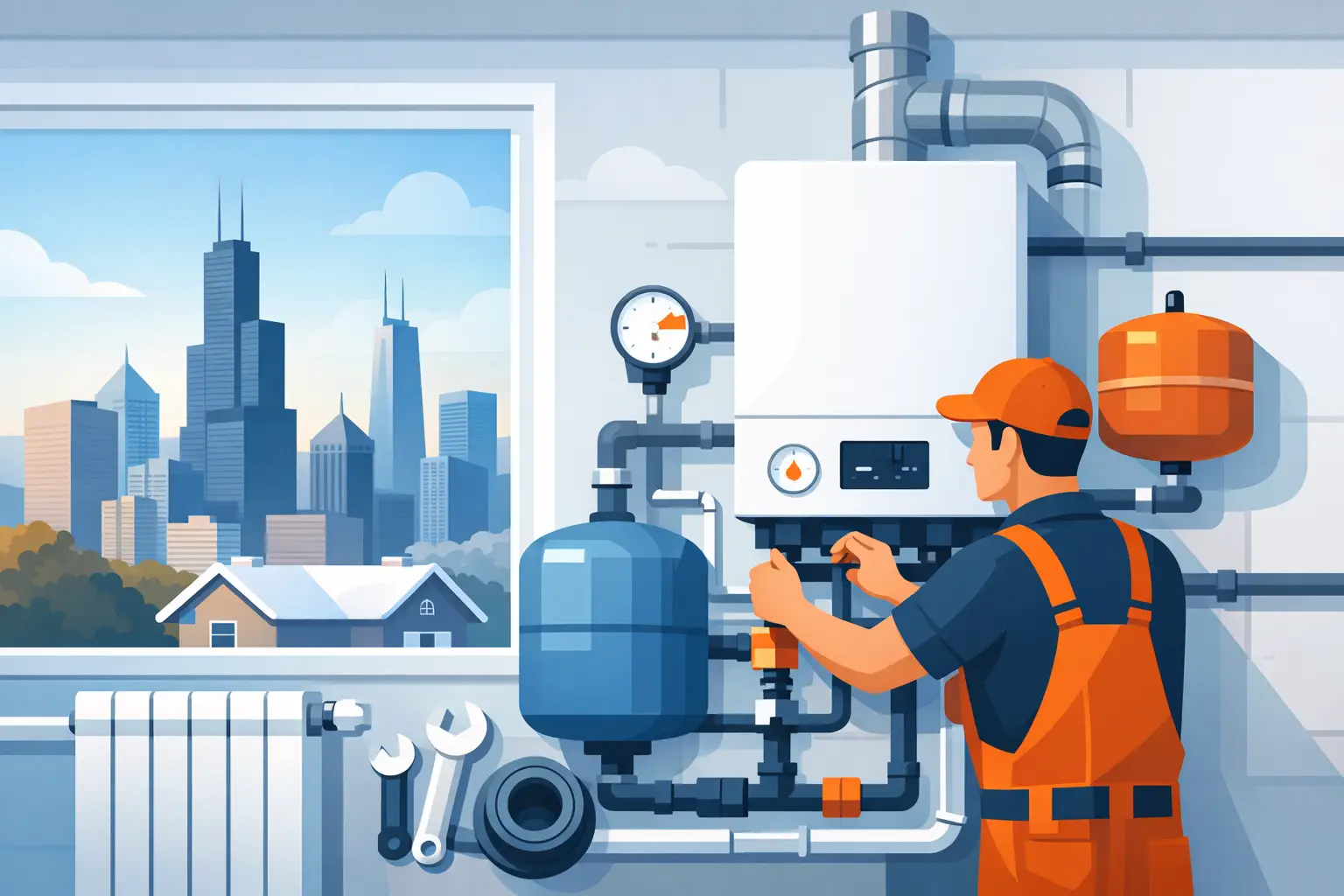
Boiler Installation for Chicago Homes That Lasts
A Chicago winter can expose every weakness in an aging heating system fast. For boiler installation Chicago homes can rely on, the goal is not simply getting a new unit in place. It is getting equipment sized for the building, installed safely, and set up to provide steady heat without wasting fuel.
Boilers remain a strong choice for many Chicago properties, especially homes with radiators, baseboards, or radiant-floor heating. They deliver comfortable, even warmth and can operate efficiently for years. But a boiler is only as dependable as the installation behind it. The right planning at the start helps prevent cold rooms, frequent service calls, high utility bills, and premature equipment failure.
Boiler Installation for Chicago Homes Starts With Sizing
The boiler’s capacity must match the home’s actual heating needs. Bigger is not automatically better. An oversized boiler may heat the space quickly, then shut down and restart repeatedly. This short cycling wastes energy, adds wear to components, and can make indoor temperatures less consistent.
A properly sized system is based on more than square footage. A qualified technician should consider insulation levels, window condition, ceiling height, air leakage, the number of heating zones, and the type of heat emitters already in the home. A brick bungalow with older radiators has different needs than a renovated two-flat with zoned baseboard heat.
Chicago homes also vary widely by age and layout. Older properties may have pipe systems, radiator valves, chimneys, or electrical service that need attention before a new boiler is installed. Finding those conditions early keeps the job organized and avoids unpleasant surprises once installation is underway.
Match the boiler to the heating system
Most residential boilers fall into two broad categories: conventional and high-efficiency condensing models. A conventional boiler may make sense when it is compatible with an existing venting setup and heating system. A high-efficiency condensing boiler can reduce fuel use, particularly when paired with lower-temperature hydronic systems and controls that allow it to run efficiently.
The better option depends on the property. High-efficiency equipment often requires new venting arrangements and condensate drainage. That can add to the installation scope, but the long-term operating savings may justify it. A clear assessment should explain both the upfront work and the expected benefit rather than treating every home the same.
If the boiler also provides domestic hot water, the decision becomes more detailed. Some homeowners prefer a combination boiler that handles both space heating and hot water in one compact unit. Others need a separate water-heating solution because of household size, simultaneous hot-water demand, or the configuration of the home. A family with multiple bathrooms may have very different needs from a one-bathroom condo.
What a Professional Boiler Installation Should Include
A boiler replacement is more than disconnecting one unit and connecting another. Safe, dependable operation relies on the full system around the boiler. That includes fuel piping, electrical connections, venting, water piping, circulation components, safety controls, and thermostat settings.
Before work begins, the contractor should inspect the existing equipment and heating distribution. Old radiator systems may benefit from flushing, air removal, valve service, or control adjustments. Dirty system water and poor circulation can reduce the performance of a brand-new boiler. Installing new equipment without addressing those issues can leave a homeowner disappointed with results that are really caused by the old distribution system.
Venting deserves close attention. Gas-fired boilers must vent combustion gases correctly, using materials and routing approved for the equipment. Condensing models have different venting requirements than many older atmospheric boilers. Proper combustion air, drainage, and termination locations all matter for safety and reliable performance.
Permits and local requirements may also apply to boiler work in Chicago. A professional installer can identify the requirements for the project and complete work in a way that supports safe operation and inspection readiness. Shortcuts may look less expensive at first, but they can create larger repair costs and safety concerns later.
Controls make the system work smarter
The thermostat is not an afterthought. The right control can help a boiler maintain a stable indoor temperature, reduce unnecessary cycling, and better serve different parts of the home. Zoned systems may use separate thermostats or valves to direct heat where it is needed instead of overheating unused areas.
For some systems, outdoor-reset controls are worth considering. These controls adjust boiler water temperature based on outdoor conditions. On a mild day, the boiler does not need to run as hard as it does during a deep freeze. When properly configured, this approach can improve comfort and efficiency.
A technician should explain the controls in plain language after installation. Homeowners should know how to adjust the thermostat, recognize basic warning signs, and understand when to schedule maintenance. Clear communication makes the new system easier to use and protects the investment.
Prepare Your Home Before Installation Day
A little preparation helps the job move faster. Clear a path to the boiler room, basement, utility closet, or mechanical area. Remove stored items near the current boiler and make sure the technician can access radiators, thermostats, or shutoff valves if needed.
Ask where the equipment will be staged and whether water, power, or gas service may be temporarily interrupted. Depending on the scope of work, a replacement may take part of a day or longer. If major piping, venting, or system corrections are needed, the schedule can change. A reliable contractor will set realistic expectations before the work starts.
It is also smart to discuss the condition of the home’s existing radiators or baseboards. If certain rooms have always been cooler than others, mention it before installation. That information can point to circulation issues, poor balancing, undersized emitters, or insulation gaps that a new boiler alone will not solve.
Cost Depends on More Than the Boiler
Homeowners often ask for one flat price, but boiler installation costs vary because the equipment is only one part of the project. Boiler capacity, efficiency level, venting changes, piping repairs, controls, water-heating needs, labor access, permits, and the condition of the existing system all affect the final scope.
The lowest estimate is not always the lowest long-term cost. A low price can leave out necessary piping work, safety devices, proper venting, startup testing, or cleanup. On the other hand, the most expensive equipment is not always the right answer for every property. The practical choice is a system that fits the home, the heating load, and the budget without cutting corners on installation quality.
A detailed proposal should make the work understandable. It should identify the equipment being installed, explain any needed upgrades, and describe what is included in commissioning the system. Commissioning means the installer tests operation, checks safety controls, confirms proper circulation, and verifies that the boiler is responding correctly to the thermostat.
Protect the New Boiler With Routine Maintenance
Even a well-installed boiler needs attention. Annual maintenance helps identify small issues before they become a no-heat emergency. A service visit can include checking burners and ignition, inspecting venting, verifying pressure and safety controls, looking for leaks, testing circulation, and confirming the system is operating efficiently.
Between visits, pay attention to changes in performance. New banging sounds, uneven heating, a pressure issue, repeated resets, water around the unit, or a rising utility bill are reasons to call for service. Acting early can often prevent a breakdown during the coldest stretch of the season.
For landlords and property managers, scheduled maintenance is especially valuable. A boiler problem can affect multiple units, create tenant complaints, and require urgent decisions at the worst possible time. Planned service helps protect comfort, budgets, and daily operations.
When replacement is the right call
Repair may still be the right move when a boiler has a minor, isolated problem and is otherwise operating efficiently. Replacement becomes more reasonable when repair needs are frequent, major components are failing, efficiency has dropped, or parts are difficult to source. Age matters, but condition and repair history matter more.
If your current boiler is unreliable, do not wait for the next severe cold snap to start the conversation. A professional evaluation can clarify whether repair, maintenance, or replacement makes the most sense for your home. 4J’s Heating and Cooling can help homeowners and property managers make that decision with clear recommendations, certified workmanship, and service focused on dependable heat when it matters most.
The best time to plan a boiler installation is while you still have heat and options. A system chosen carefully, installed correctly, and maintained regularly gives your property one less reason to worry when Chicago temperatures drop.