Emergency HVAC Reviews Chicago Customers Can Trust
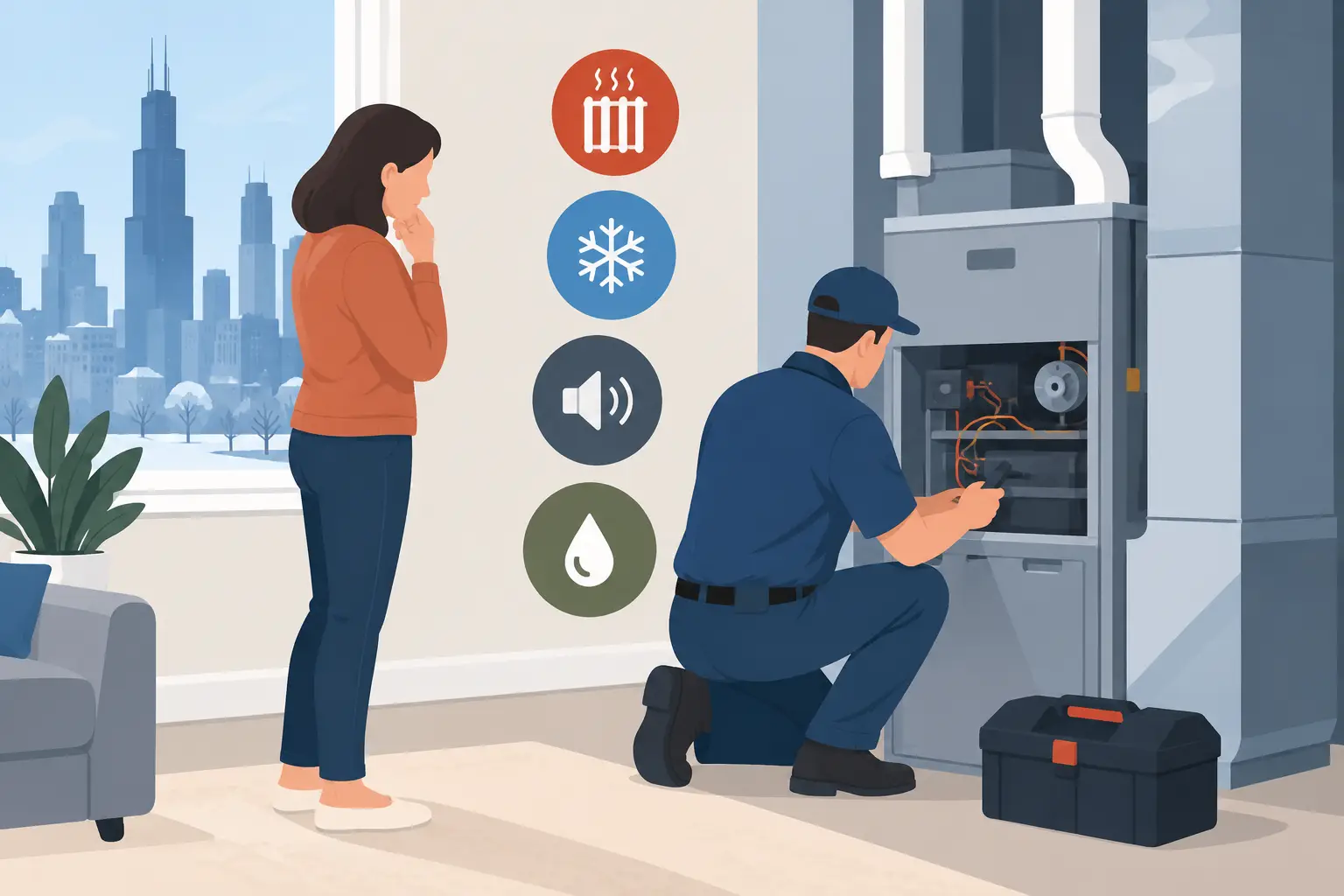
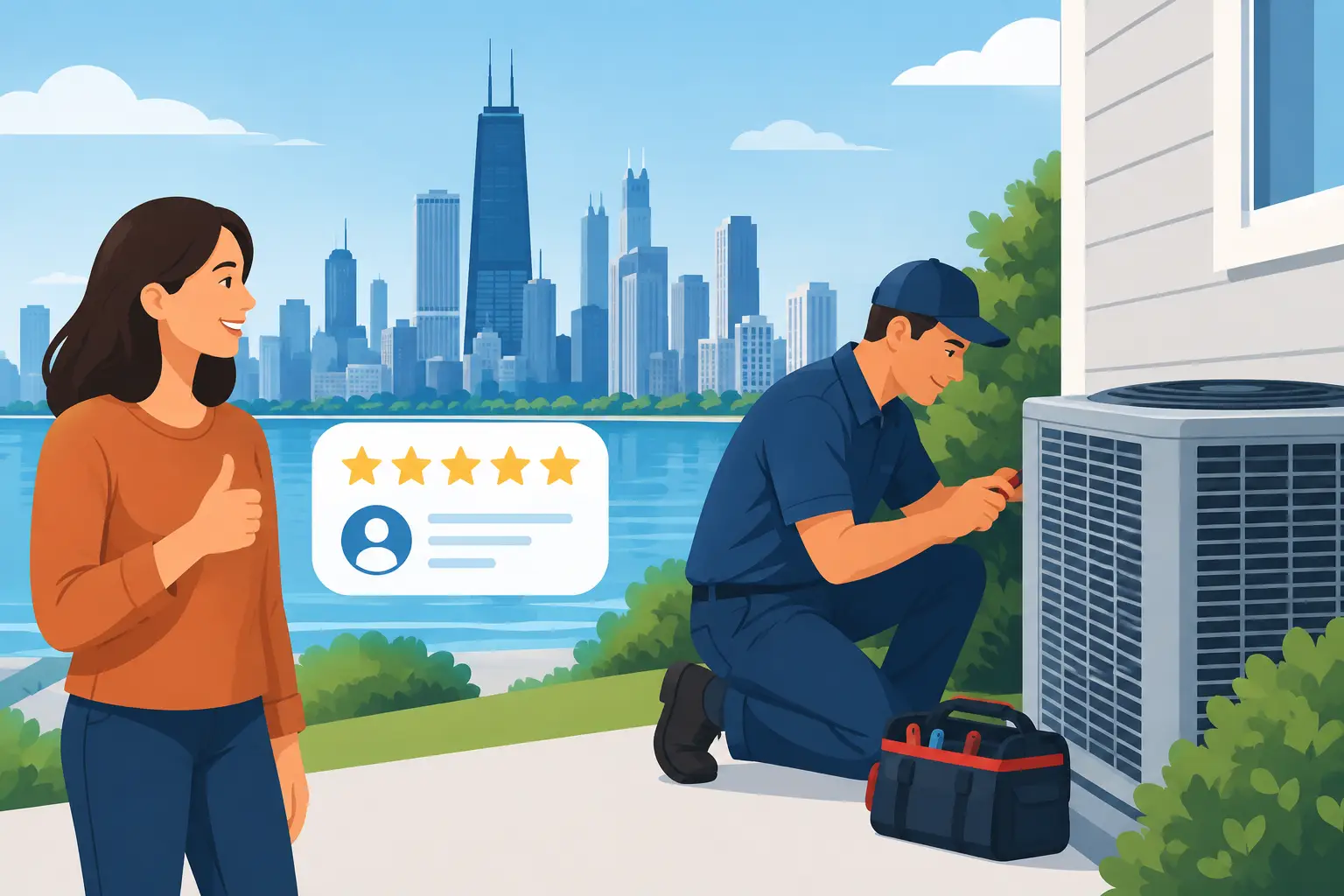
A furnace that quits at 2 a.m. or an air conditioner that stops during a packed workday leaves little room for guesswork. Emergency HVAC reviews can help you choose a contractor before you make the call, but only if you know what the comments actually reveal about response time, repair quality, and cost.
A five-star rating is a good starting point. It is not the whole story. When heat, cooling, or ventilation fails, you need proof that a company answers the phone, shows up when promised, explains the problem clearly, and repairs the equipment without creating a second issue later.
What Emergency HVAC Reviews Should Tell You
The most useful reviews describe a specific situation. Look for details such as a no-heat call during a cold Chicago night, a failed AC unit before a weekend, a boiler issue in a multi-unit building, or a rooftop system problem that threatened business operations. Specifics show that the reviewer dealt with a real service call, not simply a routine tune-up.
Pay attention to what happened before, during, and after the appointment. Did someone answer promptly? Was the arrival window realistic? Did the technician diagnose the issue and explain the options in plain language? Was the repair tested before the technician left? These details matter more in an emergency than a general statement that the company was “great.”
The best reviews also address the outcome. A system turning back on is good, but dependable comfort over the following days is better. Comments about a repair holding up, a furnace running efficiently again, or a business reopening without further disruption are strong signals that the contractor focused on a lasting solution.
Look Beyond the Star Rating
A high average rating can be meaningful, but read a mix of recent reviews. HVAC service changes with staffing, seasonal demand, and the types of jobs a contractor takes on. A company that earned praise years ago may still be reliable, but recent feedback is the clearest picture of current scheduling and service quality.
Also look at how the company responds when a customer raises a concern. No contractor can prevent every delay, parts shortage, or unexpected equipment complication. What matters is whether the response is professional, direct, and focused on resolving the problem. Defensive or vague replies can be a warning sign. A clear response that addresses the issue and offers a path forward is more reassuring.
One negative review does not automatically disqualify a contractor. Read it in context. A complaint about a repair cost may reflect surprise rather than unfair pricing, especially if the customer needed an after-hours visit, specialty part, or extensive diagnostic work. Patterns are what count. Repeated mentions of missed appointments, poor communication, incomplete repairs, or surprise charges deserve serious attention.
Signs of Fast, Professional Emergency Service
Emergency HVAC service is not just about arriving quickly. It is about arriving prepared and working with urgency without rushing the diagnosis. Reviews that mention punctual technicians, clear updates, organized troubleshooting, and respectful treatment of the property are worth noting.
For homeowners, professionalism may mean protecting floors, explaining why a furnace is short-cycling, or confirming that carbon monoxide and safety controls are operating correctly. For landlords and property managers, it may mean communicating clearly about tenant access, documenting the repair, and minimizing downtime. For businesses, the priority may be protecting inventory, staff comfort, customer experience, or essential operations.
Look for language that confirms the technician listened. A good emergency call begins with the symptoms you noticed, then moves to testing and diagnosis. If a review says the technician explained what failed, what caused the failure, and whether another component needs monitoring, that is a better sign than a review focused only on speed.
Response Time Needs Context
“They came right away” is encouraging, but it can mean different things depending on the call. During severe weather, a responsible contractor may prioritize no-heat calls involving young children, older adults, vulnerable tenants, or unsafe indoor temperatures. Commercial calls may also require coordination with building access, equipment locations, and business hours.
Reliable companies set realistic expectations. A technician may not be at the door in 20 minutes, but you should know when to expect service and receive an update if conditions change. Reviews that praise honest timing are often more valuable than claims that sound too perfect.
How Reviews Reveal Fair HVAC Pricing
Emergency service costs can vary based on the time of day, system type, diagnosis required, replacement parts, and the condition of the equipment. No review can tell you exactly what your repair will cost. It can, however, show whether a contractor communicates pricing in a straightforward way.
Look for comments about estimates, approval before repairs, itemized explanations, and options when replacement may make more sense than another repair. Fair pricing is not always the lowest price. A low-cost repair that fails again in a week can become more expensive than a properly completed repair from the start.
Be cautious when reviews repeatedly mention pressure to replace equipment without a clear diagnosis. Sometimes replacement is absolutely the practical choice, especially for an older furnace, boiler, or AC system with major component failure. A trustworthy technician explains why, discusses repair versus replacement, and gives you information you can use to make the decision.
For property managers and commercial customers, ask about the full scope before authorizing work. Emergency HVAC reviews that mention accurate invoices, clear labor charges, and useful repair documentation can be especially valuable when you need records for owners, tenants, or maintenance planning.
Read Reviews for Your Type of Equipment
Not every HVAC contractor handles every system with the same level of experience. A homeowner with a central air conditioner should look for reviews involving AC repair, furnace repair, thermostats, ductwork, and seasonal maintenance. A building owner with boilers or multiple heating zones should look for evidence of boiler knowledge and experience working in occupied properties.
Commercial decision-makers should pay close attention to reviews from businesses with similar needs. A contractor may be excellent with residential furnaces but not equipped for larger commercial systems, rooftop units, or complex scheduling requirements. The right fit depends on the equipment, the property, and how disruptive downtime would be.
It is also smart to look for maintenance-related comments. Emergency repairs are sometimes unavoidable, but recurring breakdowns often point to deferred maintenance, airflow problems, aging parts, or equipment that is no longer sized or operating properly. A contractor that addresses efficiency and system lifespan is helping prevent the next urgent call, not just closing the current one.
Questions to Ask After Reading Reviews
Reviews narrow your choices, but a quick phone conversation tells you whether the company is ready for your situation. Describe the symptoms, the equipment type, and whether the issue affects safety, heat, cooling, water, tenants, or business operations. Ask whether emergency service is available, what arrival window you can expect, and how diagnostic and after-hours charges are handled.
You should also ask what happens if a needed part is unavailable. Temporary heat, safe shutdown procedures, portable cooling recommendations, or a return visit plan may be necessary depending on the failure. Clear answers show that the contractor has a process, even when the repair cannot be completed in one visit.
At 4J’s Heating and Cooling, the goal of an emergency call is simple: restore safe, dependable comfort with clear communication and efficient service. Whether you manage a building near 60641 or are dealing with a sudden heating or cooling failure at home, choose a contractor whose reviews show more than fast arrival. Look for the steady follow-through that helps your system stay reliable after the urgent moment has passed.
When an HVAC emergency happens, save yourself time by focusing on recent, detailed feedback and asking direct questions before service begins. The right contractor should make a stressful breakdown feel managed, explained, and moving toward a real fix.