
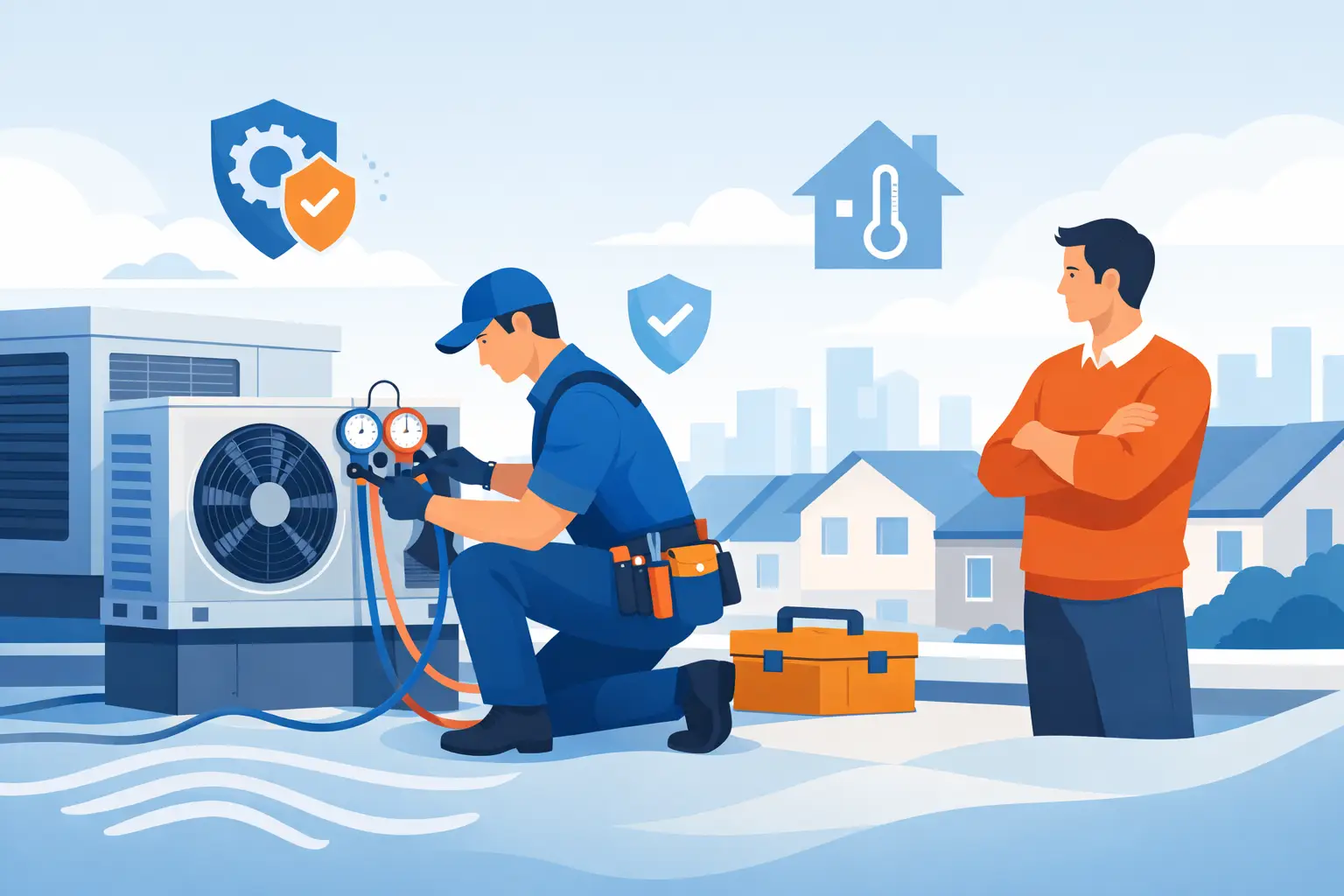
HVAC Service for Landlords That Prevents Breakdowns
A tenant reporting no heat on a freezing Chicago night is more than an inconvenience. It can quickly become an emergency, a strained tenant relationship, and an expensive repair. Consistent HVAC service for landlords helps prevent those calls by finding small problems before they interrupt comfort, damage equipment, or leave a unit unlivable.
For rental owners and property managers, heating and cooling is not a set-it-and-forget-it expense. Furnaces, boilers, air conditioners, thermostats, filters, and ventilation all need attention at the right time. A practical service plan protects your property, helps control operating costs, and gives tenants confidence that help will arrive when they need it.
Why HVAC Reliability Matters in Rental Properties
A breakdown affects more than the equipment itself. When a furnace will not start, a boiler leaks, or an air conditioner stops cooling during a heat wave, tenants lose comfort immediately. Property owners may also face urgent scheduling, after-hours repair costs, water damage risks, and lost time coordinating access to the unit.
Chicago weather adds pressure to every HVAC system. Heating equipment works hard through long cold stretches, while air conditioners can run heavily during humid summer weeks. Systems with deferred maintenance are more likely to fail when demand is highest, which is also when emergency service is hardest to avoid.
Reliable maintenance also supports longer equipment life. A dirty filter, weak capacitor, failing igniter, loose electrical connection, or clogged drain line may seem minor on its own. Left uncorrected, it can force other components to work harder and lead to a larger repair. Routine inspections give a certified technician the chance to correct those issues early.
Build a Preventive HVAC Service Plan
The best approach is scheduled service before each demanding season, not a call only after a system quits. Most rental properties benefit from a heating check in early fall and an air-conditioning check in spring. Properties with older equipment, frequent tenant turnover, multiple units, or commercial-use areas may need more frequent attention.
A professional visit should be more than changing a filter. The technician should assess overall operation, safety controls, airflow, electrical components, thermostat response, and signs of wear. For heating systems, that can include checking ignition, burners, heat exchangers, venting, and carbon monoxide safety. For cooling systems, it often includes checking refrigerant performance, coils, condensate drainage, and outdoor-unit condition.
Keep a simple service record for every unit. Record the equipment type, approximate age, service date, technician findings, repairs completed, and recommended next steps. This makes budgeting easier and helps identify a unit that is becoming costly to maintain. It also gives you a clear history when a tenant reports repeated comfort concerns.
Maintenance Tasks That Prevent Common Calls
Property owners can handle a few basic responsibilities between professional visits, while leaving repairs and safety inspections to qualified technicians. Make sure filters are replaced on schedule, exterior equipment remains clear of leaves and debris, return and supply vents are not blocked, and tenants know how to use the thermostat properly.
For multi-unit properties, filter replacement deserves particular attention. A restricted filter reduces airflow, makes equipment run longer, and can contribute to frozen coils, overheating, poor comfort, and higher utility usage. The correct replacement schedule depends on the filter type, occupancy, pets, and equipment design, but waiting until a filter looks severely dirty is rarely a good plan.
Tenants should also know which issues need an immediate call. No heat, no cooling during dangerous temperatures, burning odors, gas smells, water around equipment, repeated breaker trips, loud new noises, and carbon monoxide alarm activity should never wait for the next routine visit.
Respond Fast When a Tenant Reports a Problem
Even well-maintained systems can fail. The difference is how quickly and professionally the issue is handled. Give tenants one clear method for reporting HVAC problems and make sure they understand what details to provide: the unit address, whether the system is heating or cooling, thermostat setting, unusual sounds or smells, and when the problem began.
A fast initial response can help determine whether the situation needs emergency service. If there is a gas odor, possible carbon monoxide exposure, smoke, sparking, or active water leakage near electrical equipment, instruct the tenant to prioritize safety and contact emergency services or the appropriate utility when necessary. Do not ask tenants to troubleshoot dangerous conditions themselves.
For standard service calls, a qualified HVAC contractor should diagnose the cause rather than treat the symptom. Replacing a failed part may restore operation, but recurring failures can point to airflow problems, improper sizing, aging controls, drainage issues, or neglected maintenance. Clear technician communication matters because it helps you make an informed repair decision instead of approving a short-term patch without context.
For landlords managing several properties, responsiveness also helps retain good tenants. A tenant may accept that equipment can fail. They are far less likely to accept unclear communication, missed appointments, or days without updates. Confirm the appointment window, share any access instructions, and follow up after the repair to make sure comfort has been restored.
Repair or Replace? Make the Decision With the Full Cost in Mind
A repair is often the right answer when the system is relatively new, the problem is isolated, and the equipment has been maintained well. Replacing a worn igniter, blower motor, thermostat, or electrical component can be a sensible investment if the rest of the system is operating efficiently and reliably.
Replacement becomes more reasonable when repairs are frequent, major components are failing, energy use is high, or the equipment is near the end of its expected service life. An old furnace or air conditioner may still run, but it may run inefficiently, require harder-to-source parts, and create repeated tenant disruptions. That ongoing cost should be part of the decision, not just the price of the next repair.
Ask for a clear explanation of both options. A useful estimate should identify the issue, the recommended repair, the expected condition of the system afterward, and whether replacement would provide meaningful efficiency or reliability benefits. The lowest immediate price is not always the most affordable choice over the next several years.
Replacement planning is especially valuable before peak season. If an aging furnace is struggling in October, you have time to compare options and schedule installation. If it fails in January, your choices may be driven by urgency. Planning ahead gives you more control over cost, equipment selection, and tenant scheduling.
What Landlords Should Expect From an HVAC Contractor
The right contractor helps simplify property management. Look for licensed, certified technicians who arrive on schedule, explain findings in plain language, and provide recommendations based on the condition of your equipment. You need a partner who can manage routine maintenance, repairs, emergency calls, thermostat upgrades, and replacement planning without making every visit complicated.
Availability matters, particularly for rental properties. Equipment does not wait for regular business hours to fail. Around-the-clock emergency support can make a real difference when a heating or cooling disruption affects tenant safety and comfort.
It also helps to work with one dependable provider that understands your property history. Technicians who can review prior repairs and maintenance notes are better positioned to spot recurring patterns. For landlords in Chicago neighborhoods served from 60641, 60625, and 60630, 4J’s Heating and Cooling provides repair, maintenance, installation, and emergency HVAC support with clear communication and prompt scheduling.
Keep Tenants Informed Without Overcomplicating It
Good HVAC management includes simple tenant communication. At move-in, explain where the thermostat is located, which vents must stay open, when filters will be changed, and how to report an issue. If tenants are responsible for filter changes under the lease, provide the correct filter size and a realistic schedule.
When seasonal service is scheduled, give proper notice and explain that the visit is preventive. Tenants are more likely to cooperate with access when they understand the purpose is to prevent a no-heat or no-cooling situation later. A short message before and after service also demonstrates that the property is being maintained responsibly.
Dependable comfort is one of the clearest signs that a rental property is being managed well. Schedule service before weather puts your system to the test, address tenant reports quickly, and make repair decisions based on long-term reliability. That steady approach protects your equipment, your budget, and the people who call your property home.