
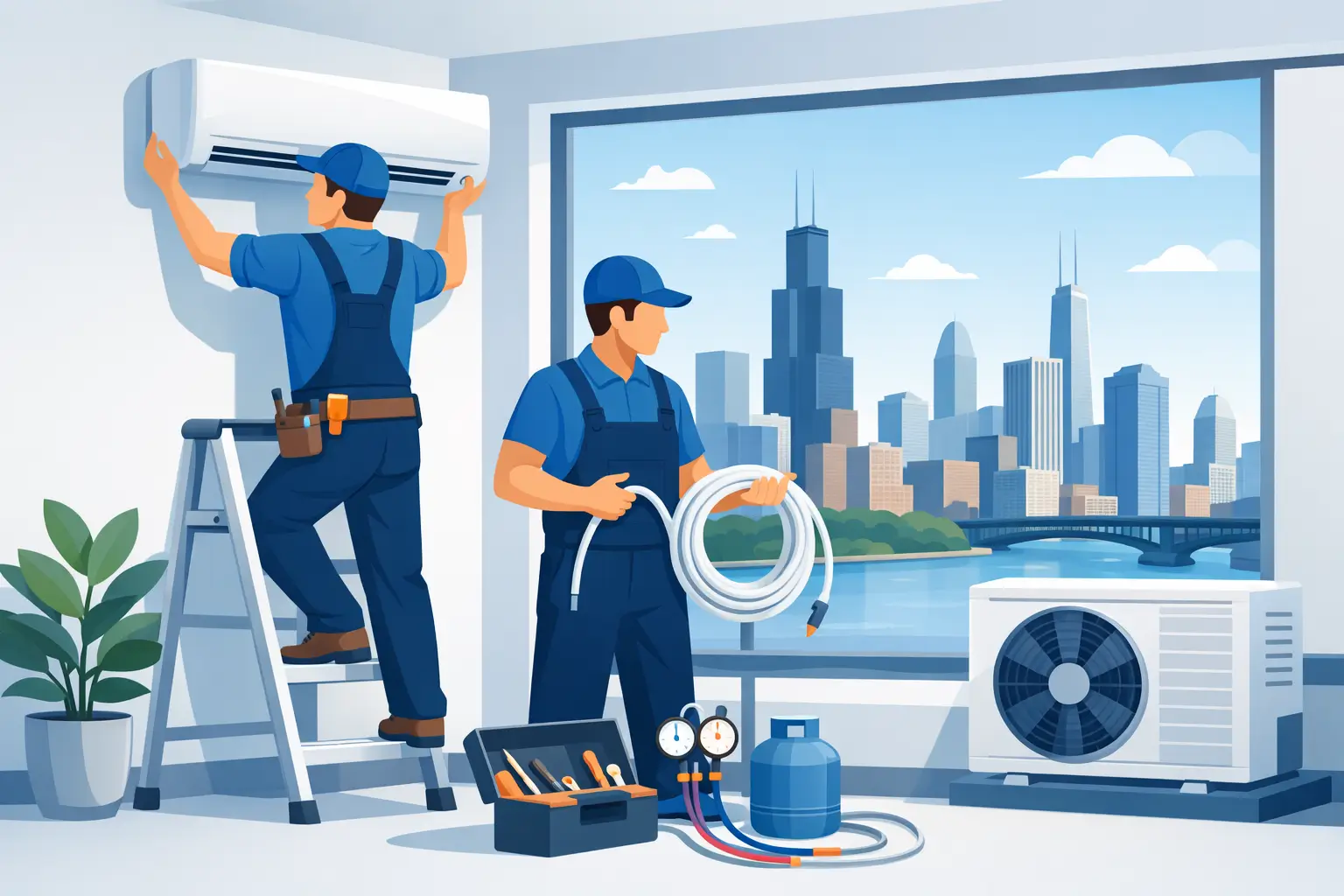
Air Conditioner Installation Chicago Made Clear
A Chicago heat wave can turn a second-floor bedroom, busy storefront, or tenant-filled apartment building uncomfortable fast. Air conditioner installation Chicago property owners plan carefully is not just about getting cold air from a new box outside. It is about choosing equipment that fits the building, controlling energy costs, and knowing the system will keep up when the temperature and humidity climb.
A properly installed AC system should feel simple once the work is done: steady cooling, manageable utility bills, reliable operation, and clear answers when you have questions. Getting there takes an experienced technician, an accurate evaluation, and decisions based on your property rather than a one-size-fits-all recommendation.
Start With the Right System Size
The biggest air conditioner is not automatically the best air conditioner. An oversized system may cool the space quickly, but it can shut off before removing enough humidity. That can leave rooms cool but clammy, create uneven temperatures, and increase wear from frequent starts and stops.
An undersized system creates a different problem. It may run for long periods without reaching the set temperature during the hottest days. That puts extra strain on the equipment and can make tenants, customers, or family members feel like the system is always working without delivering comfort.
A qualified installer evaluates more than square footage. They should consider insulation, window exposure, ceiling height, building age, air leakage, ductwork condition, occupancy, and the heat created by appliances or commercial equipment. Chicago homes vary widely, from brick two-flats and vintage bungalows to newer condos with tighter construction. Those differences matter when calculating cooling capacity.
Efficiency Ratings Matter, but So Does the Whole Setup
Higher-efficiency equipment can reduce energy use, especially when an older air conditioner is being replaced. But the highest available rating is not always the right financial choice. A property that will be sold soon, a lightly used space, or a building with major duct problems may need a different approach than a long-term family home.
Ask for a clear explanation of the equipment options, expected operating benefits, warranty coverage, and installation requirements. The right choice balances upfront cost, monthly energy use, comfort expectations, and how long you expect to own or operate the property.
What Professional Air Conditioner Installation in Chicago Includes
A dependable installation begins before the new equipment arrives. The contractor should inspect the existing system, electrical connection, refrigerant lines, indoor coil, condensate drain, thermostat, and airflow path. If one of these components is overlooked, even a high-quality air conditioner can perform poorly.
For a replacement, technicians will safely remove the old equipment and prepare the area for the new system. The outdoor unit needs a stable, level base with adequate clearance for airflow and future service. The indoor equipment must be matched correctly to the outdoor condenser. Mismatched components can reduce efficiency, affect comfort, and create avoidable reliability issues.
Refrigerant lines may need to be replaced or properly flushed, depending on the old and new equipment. The system must be pressure tested, evacuated, charged according to manufacturer specifications, and tested during operation. These are not shortcuts to skip. Incorrect refrigerant levels can reduce cooling capacity, raise energy use, and shorten compressor life.
The final visit should also include thermostat setup and a walkthrough of the new system. You should know how to change the filter, set reasonable temperatures, recognize a warning sign, and schedule maintenance. Clear communication is part of professional service, especially for property managers who may need to relay operating instructions to residents or staff.
Check Ductwork Before Blaming the AC
Many comfort complaints are really airflow problems. If some rooms are much warmer than others, vents barely push air, or the system is noisy, the ductwork may need attention. Leaks, disconnected sections, poor insulation, crushed flexible duct, and undersized returns can all limit the performance of a new air conditioner.
This does not always mean a full duct replacement is necessary. Sometimes sealing accessible leaks, improving a return path, adjusting dampers, or correcting a few problem runs can make a meaningful difference. In older Chicago properties, a technician may also recommend ductless mini-splits for additions, converted attics, sunrooms, or rooms that never received adequate duct coverage.
Ductless systems can be a practical option, but they are not automatically the answer for every building. They require indoor wall-mounted or ceiling-mounted equipment, and the appearance may not suit every space. A central system can be the better choice when existing ductwork is sound and whole-property cooling is the priority.
Plan for Electrical, Drainage, and Permitting Needs
New AC equipment sometimes requires electrical upgrades. Older panels may not have sufficient capacity, or the outdoor disconnect and wiring may need replacement to meet current requirements. This should be evaluated before installation day rather than discovered after the old system has been removed.
Drainage is equally important. Air conditioning removes moisture from indoor air, and that water needs a reliable path out of the system. A clogged or poorly installed condensate line can cause leaks, ceiling damage, mold concerns, or an unexpected shutdown. Proper trap configuration, drain routing, and safety switches help protect the property.
Permit requirements can vary by project and location. A licensed HVAC contractor can explain whether permits or inspections apply to your installation and handle the work according to applicable local requirements. For commercial properties, planning may also involve roof access, equipment placement, business hours, and minimizing disruption to customers and employees.
Know What Affects Installation Cost
There is no honest flat price for every air conditioner installation. Equipment size and efficiency are major factors, but they are only part of the cost. Electrical improvements, duct repairs, thermostat upgrades, line-set replacement, difficult access, rooftop placement, and indoor equipment changes can all affect the final scope.
The most useful estimate is detailed and understandable. It should identify the proposed equipment, the work included, known site conditions, warranty information, and any recommended improvements. Low pricing can be attractive, but a quote that leaves out required work may become more expensive later or produce a system that does not perform as promised.
For landlords and commercial operators, consider the cost of downtime as well. A failed system can lead to unhappy tenants, lost business, damaged inventory, or staff discomfort. Reliable scheduling and efficient installation are often worth more than a small initial price difference.
Prepare Your Property Before Installation Day
A little preparation helps the installation move faster. Clear access to the furnace, air handler, electrical panel, and outdoor unit area. Move vehicles, furniture, storage bins, or landscaping items that could block the work area. If you manage a multifamily or commercial property, let occupants know when technicians will need access and whether cooling will be temporarily unavailable.
Keep pets secured and make sure an adult decision-maker is available by phone if questions arise. Installation crews may need confirmation on thermostat location, equipment placement, or an unexpected condition uncovered during the work. Quick decisions help keep the project on schedule.
Protect the Investment After the Install
A new system still needs routine care. Replace or clean filters on schedule, keep the outdoor unit free of leaves and debris, and avoid blocking supply or return vents. Schedule professional maintenance before the cooling season so small issues can be found before they become a hot-weather emergency.
Pay attention to changes in performance. Weak airflow, warm air, ice on refrigerant lines, repeated breaker trips, new noises, or water near indoor equipment all deserve a prompt service call. Early repair can protect the compressor and prevent a manageable issue from becoming a replacement decision.
For homeowners, landlords, and businesses in Chicago’s 60641, 60625, and 60630 areas, 4J’s Heating and Cooling provides clear recommendations, certified technicians, and dependable installation support. The goal is not simply to install an air conditioner. It is to leave you with efficient cooling you can count on when Chicago summer decides to stay awhile.